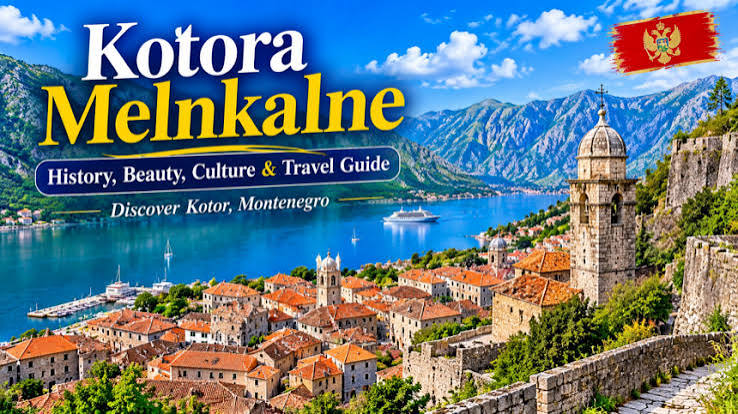
Have you ever imagined visiting a place surrounded by mountains, clear water, and ancient stone streets? Kotora Melnkalne brings this beautiful picture to life. It refers to Kotor, a historic coastal town in Montenegro. This destination combines old European charm with stunning natural scenery. Visitors can explore medieval buildings, peaceful waterfronts, and impressive mountain views. The town also offers interesting museums, traditional restaurants, and exciting boat trips. Its location beside the Bay of Kotor makes it especially attractive to travelers. Whether you enjoy history, photography, nature, or relaxing holidays, Kotor offers something special. This guide explores its history, famous attractions, local culture, and travel experiences. You will also discover useful tips for planning a comfortable visit.
Table of Contents
What Is Kotora Melnkalne?
Kotora Melnkalne is a geographical name associated with Kotor in Montenegro. It is not a separate city or an independent tourist destination. The name connects Kotor with its location in the European country of Montenegro. Kotor is famous for its historic buildings and beautiful coastal environment. Its old streets reflect centuries of cultural and maritime history. The surrounding mountains also create a memorable natural setting. Many travelers visit because the town offers history and outdoor activities together. You can explore ancient churches, enjoy local food, or take a boat across the bay. The destination also provides access to several charming coastal settlements. Understanding this name helps travelers identify the actual place before planning their journey.
Where Is Kotora Melnkalne Located?
Kotor is situated in southwestern Montenegro, beside the southeastern part of the Bay of Kotor. The town lies along the Adriatic coast and sits beneath steep limestone mountains. Its location creates beautiful views from almost every direction. The surrounding landscape includes small coastal settlements, historic churches, and traditional houses. Tivat is another nearby coastal town with an international airport. The Montenegrin capital, Podgorica, is farther inland. Visitors can reach Kotor through different transport connections, depending on their starting location. The journey itself can become an enjoyable experience because coastal roads offer wonderful scenery. This location makes Kotor a convenient starting point for exploring other parts of Montenegro.
Complete Biography and Information Table
Travelers often want basic information before choosing a destination. The following table provides useful details about Kotora Melnkalne and its connection with Kotor.
| Category | Details |
| Common name | Kotor |
| Geographical name | Kotora (Melnkalne) |
| Country | Montenegro |
| Continent | Europe |
| Region | Southwestern Montenegro |
| Coastal location | Adriatic region |
| Famous natural feature | Bay of Kotor |
| Main attraction | Kotor Old Town |
| Historic landmark | San Giovanni Fortress |
| Famous church | St. Tryphon Cathedral |
| Historic museum | Maritime Museum of Montenegro |
| UNESCO recognition | Natural and Culturo-Historical Region of Kotor |
| UNESCO inscription | 1979 |
| Local language | Montenegrin |
| Currency | Euro (€) |
| Nearest major airport | Tivat Airport |
| Nearby destination | Perast |
| Other nearby places | Budva, Lovćen and Njeguši |
| Popular activities | Sightseeing, hiking, boating and swimming |
| Recommended stay | 2–3 nights |
| Best visiting seasons | Spring and early autumn |
The Fascinating History of Kotor
Kotor has a long history shaped by different cultures and civilizations. Its coastal position made it important for trade and maritime activities. Over many centuries, different rulers influenced its architecture and traditions. Venetian influence remains especially visible throughout the historic centre. Stone buildings, decorative balconies, and narrow streets reflect this connection. The town also experienced earthquakes that damaged several historic structures. Restoration efforts helped protect many important buildings and monuments. Today, visitors can discover these historical layers while walking through the Old Town. The Natural and Culturo-Historical Region of Kotor received UNESCO World Heritage recognition in 1979. This recognition highlights the relationship between its architecture, settlements, and surrounding landscape.
Exploring Kotor Old Town
Kotor Old Town is one of the most memorable places to explore. Its historic walls surround a network of narrow streets and charming squares. Traditional stone houses stand beside churches, cafés, and small shops. The main entrance is known as the Sea Gate. Inside, visitors can discover beautiful architecture and interesting historical details. The Square of the Arms is another popular meeting place. You can also find peaceful corners away from the busiest walking routes. Take your time when exploring because many small details deserve attention. Look at the old doorways, stone decorations, and traditional windows. Comfortable shoes are important because the streets have uneven stone surfaces. A relaxed walking tour can reveal much more than a quick visit.
Best Things to Do in Kotora Melnkalne
There are many enjoyable activities for visitors in this historic coastal destination. You can spend the morning exploring medieval streets and historic churches. Later, enjoy a peaceful walk beside the waterfront. Travelers who enjoy adventure can climb towards San Giovanni Fortress. Boat excursions offer another way to discover the surrounding coastline. You can also visit nearby settlements and enjoy traditional Montenegrin food. Photography lovers will find beautiful views throughout the area. The mountains, historic rooftops, and blue waters create wonderful photo opportunities. Families can enjoy relaxed sightseeing and boat experiences. Couples may prefer peaceful waterfront walks and scenic restaurants. Planning a mixture of activities makes the visit more enjoyable.
Visit St. Tryphon Cathedral
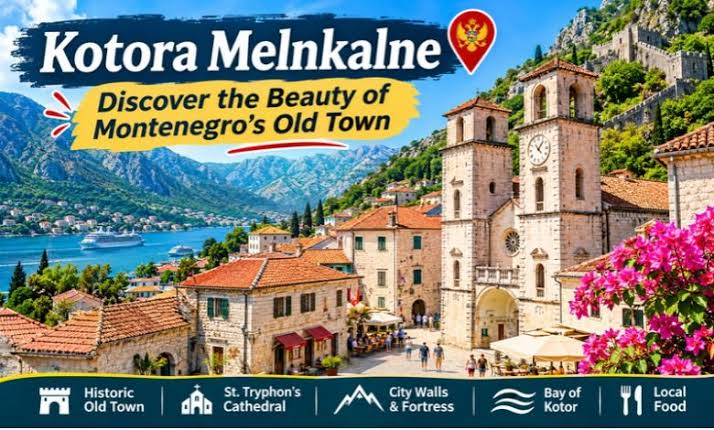
St. Tryphon Cathedral is one of the most important historic buildings in Kotor. It was consecrated in 1166 and represents the town’s medieval religious heritage. Its Romanesque architectural features make it especially interesting. The cathedral has experienced damage from several earthquakes throughout history. Restoration work helped preserve its important structure. Inside, visitors can discover religious artwork and historical collections. Its location within the Old Town makes it easy to include in a walking tour. The building also reflects the strong cultural traditions of the local community. Visitors should respect the religious environment and follow the displayed rules. Photography arrangements may differ depending on current visitor policies.
Discover the Maritime Museum
The Maritime Museum provides an interesting introduction to Kotor’s seafaring past. The town developed strong connections with sailors, merchants, and trading communities. These activities influenced its economy and cultural identity. The museum displays historical objects connected with maritime traditions. Visitors can learn about naval history, local families, and traditional sailing activities. Its collections also help explain the importance of the Bay of Kotor. History lovers may find this experience especially rewarding. It also provides useful background before exploring the surrounding coastal settlements. Check current opening arrangements before planning your museum visit.
Walk Along the Waterfront
The waterfront offers a peaceful way to enjoy the natural beauty of Kotor. Visitors can watch boats moving across the bay. Mountains create a dramatic background behind the historic town. Small cafés and restaurants provide places to relax. The area is particularly attractive during early mornings and evenings. You can enjoy photography without climbing difficult mountain paths. A waterfront walk also offers a different view of the old defensive walls. Travelers who prefer relaxed activities will appreciate this experience. It is an easy addition to almost any sightseeing itinerary.
San Giovanni Fortress and Historic City Walls
San Giovanni Fortress is one of the most famous attractions in Kotor. It stands high above the Old Town and forms part of the historic defensive system. The walking route follows ancient stone steps along the mountainside. Reaching the upper sections requires effort and reasonable physical fitness. However, the views make the climb rewarding for many visitors. You can see the rooftops, waterfront, and surrounding mountains from above. The Bay of Kotor also appears especially impressive from this height. Start early to avoid strong afternoon heat. Carry drinking water and wear shoes with good grip. Take breaks whenever necessary. Visitors with mobility difficulties may prefer the lower historic areas instead.
Discover the Beautiful Bay of Kotor
The Bay of Kotor is one of Montenegro’s most recognizable natural attractions. Its calm waters sit between steep mountains and traditional coastal settlements. The landscape creates an appearance that many visitors compare with a fjord. However, the bay has a different geological formation. Small towns and historic churches appear along its shoreline. Boat trips provide excellent opportunities to enjoy the scenery. Visitors can also explore different communities through road journeys. Photography is especially enjoyable because the landscape changes throughout the day. Morning light often creates beautiful reflections across the water. Spending time beyond the main town gives travelers a better understanding of the region.
Visit Perast and Our Lady of the Rocks
Perast is a charming historic settlement near Kotor. It is known for its traditional stone buildings and beautiful waterfront. The town has a quieter atmosphere than the busy Old Town. Visitors can walk along the shoreline and admire historic architecture. Small boats also connect Perast with Our Lady of the Rocks. This famous artificial island contains a historic church and religious collections. Local maritime traditions are closely connected with its history. The boat journey provides beautiful views of the surrounding mountains. A half-day visit is usually enough for a relaxed experience. Travelers interested in history and photography should consider adding Perast to their itinerary.
Beaches and Swimming Near Kotor
Kotor offers several opportunities for swimming around the bay. However, it is not mainly known for large sandy beaches. Many swimming areas feature small pebbles, rocky shorelines, or concrete platforms. The clear coastal water creates an enjoyable setting during warm weather. Visitors can combine swimming with sightseeing and waterfront dining. Families should choose suitable swimming areas and supervise children carefully. Pay attention to boats and local water conditions. Travelers who prefer traditional sandy beaches can visit Budva. This nearby coastal destination offers a different holiday atmosphere. Choosing between these locations depends on your travel interests.
Local Food and Traditional Montenegrin Cuisine
Food is another enjoyable part of visiting Kotor. Its coastal location creates strong Mediterranean influences. Seafood is common on many restaurant menus. Visitors can try grilled fish, squid, mussels, and fresh salads. Local cheese and traditional meat dishes also provide variety. One regional speciality is Njeguški pršut, a traditionally smoked ham. It comes from the mountain village of Njeguši. Fresh bread and seasonal vegetables often accompany local meals. Restaurants inside the Old Town offer convenient dining options. However, smaller restaurants can provide a quieter experience. Ask about local specialities when ordering. Trying regional dishes adds another cultural experience to your journey.
Best Time to Visit Kotora Melnkalne
Choosing the right season can make your trip more comfortable. Kotora Melnkalne attracts visitors throughout the year. However, different seasons offer different experiences.
Spring Season
Spring is a lovely period for sightseeing and outdoor activities. Temperatures are generally more comfortable than during summer. Flowers and fresh greenery also make the surrounding landscape attractive. Visitors can explore historic streets without experiencing peak summer conditions. Late spring is especially useful for walking and photography.
Summer Season
Summer brings warm weather and longer daylight hours. It is a popular period for swimming, boating, and coastal holidays. However, tourist numbers increase during this season. Cruise arrivals can make the Old Town especially crowded. Booking accommodation early is a sensible decision. Plan outdoor walks during cooler morning hours.
Autumn Season
Early autumn offers a pleasant balance between weather and visitor numbers. The sea may remain suitable for swimming during warmer periods. Walking and sightseeing can also feel more comfortable. Travelers often appreciate the quieter atmosphere. It is a good season for exploring nearby settlements.
Winter Season
Winter provides a quieter experience for visitors interested in architecture and local culture. Temperatures are generally cooler, and rainfall becomes more common. Some tourist services may follow reduced schedules. Check attraction arrangements before travelling. This season can suit travelers who prefer peaceful surroundings.
Where to Stay in Kotor
Choosing suitable accommodation can improve your overall experience. The Old Town is a convenient area for visitors who enjoy walking. Staying nearby provides easy access to historic attractions and restaurants. However, some traditional buildings have narrow staircases and limited parking. Travelers carrying large suitcases should check access arrangements. Properties outside the historic centre may offer more space. Some also provide parking and beautiful waterfront views. Families may prefer quieter accommodation with additional facilities. Couples might enjoy a small guesthouse near the bay. Compare location, facilities, and transport access before making a booking. A suitable location can save time during a short holiday.
How to Reach Kotor, Montenegro
Travelers can reach Kotor through several transport options. Tivat Airport is the closest major airport. It provides a convenient arrival point for many international visitors. Podgorica Airport is another option, although it is farther away. Dubrovnik Airport in Croatia may also work for some international itineraries. However, crossing the international border requires proper travel documents. Road journeys can take longer during busy periods. Coastal traffic and winding mountain roads affect travel times. Taxis, rental cars, and private transfers are available options. Check current transport schedules before departure. Allow additional time during the busy summer season.
Travel Costs and Budget Planning
The cost of visiting Kotor depends on your travel style. Accommodation is often more expensive during the summer months. Restaurants also offer different price levels. Boat trips and private tours can increase your daily spending. Travelers can manage their budget through careful planning. Choose accommodation according to your preferred activities. Walking around the Old Town helps reduce transport expenses. Compare excursion prices before booking. Check restaurant menus before ordering. Traveling during spring or autumn may provide better accommodation value. A realistic budget helps avoid unnecessary stress during your holiday.
Is Kotora Melnkalne Safe for Tourists?
Kotor is generally a comfortable destination for ordinary tourist activities. Visitors should still follow basic travel precautions. Keep your belongings secure in crowded streets and busy public areas. Pay attention to traffic when walking outside pedestrian zones. The fortress route requires additional care because its steps are steep and uneven. Avoid climbing during extreme heat. Carry enough water and take regular breaks. Check local weather conditions before outdoor activities. Families should supervise children near the waterfront and on historic steps. Sensible planning can make sightseeing safer and more enjoyable.
Best Day Trips From Kotor
A longer stay provides opportunities to discover other beautiful places in Montenegro. Several destinations are suitable for day trips.
- Perast: Explore historic stone buildings and visit Our Lady of the Rocks.
- Budva: Enjoy beaches, coastal restaurants, and a lively atmosphere.
- Lovćen National Park: Discover mountain landscapes and scenic viewpoints.
- Njeguši: Experience traditional mountain culture and regional food.
- Tivat: Explore the modern marina and nearby coastal attractions.
Each destination offers a different experience. Perast is ideal for a relaxed cultural excursion. Budva suits travelers interested in beaches and nightlife. Lovćen offers a change from coastal scenery. Njeguši provides a closer look at traditional mountain life. Choose destinations according to your available time and transport options.
Practical Travel Tips for First-Time Visitors
A little preparation can make your visit much easier. Keep these useful suggestions in mind before starting your journey.
- Wear comfortable shoes for walking across old stone streets.
- Carry drinking water during outdoor activities.
- Start the fortress climb early during warm weather.
- Check boat schedules before visiting nearby islands.
- Book accommodation early during the summer season.
- Keep some cash available for small purchases.
- Check parking arrangements before booking accommodation.
- Respect local traditions when entering religious buildings.
- Allow extra time for coastal road journeys.
- Explore quieter streets to discover more local character.
These simple steps can help you enjoy a smoother holiday. Avoid planning too many activities in one day. Give yourself enough time to enjoy the scenery and local atmosphere.
How Many Days Should You Spend in Kotor?
The ideal length of your visit depends on your interests. One day can cover the main Old Town attractions and waterfront. However, a longer stay provides more opportunities for exploration.
One day: Explore the Old Town, visit major churches, and enjoy the waterfront.
Two days: Add the fortress climb and a relaxed sightseeing experience.
Three days: Include a boat trip and visit nearby Perast.
Four days or more: Explore Budva, Lovćen, Njeguši, and other coastal settlements.
For most first-time visitors, two or three nights provide a good introduction. Travelers who enjoy photography, hiking, and cultural experiences may prefer additional time. A relaxed schedule also makes the journey more enjoyable.
Is Kotora Melnkalne Worth Visiting?
Yes, Kotora Melnkalne is worth considering if you enjoy history, nature, and coastal scenery. Kotor offers a different experience from ordinary beach resorts. Its historic centre contains beautiful architecture and fascinating cultural landmarks. The surrounding mountains provide excellent opportunities for photography and outdoor activities. Visitors can also explore the Bay of Kotor through boat excursions. Nearby settlements add variety to longer holidays. However, travelers should understand that the destination has uneven streets and steep walking routes. Summer crowds can also affect the experience. Careful planning helps avoid these challenges. Overall, Kotor offers a memorable combination of cultural heritage and natural beauty.
Conclusion
Kotora Melnkalne represents the historic coastal destination of Kotor in Montenegro. Its medieval Old Town, ancient fortifications, and beautiful waterfront create a memorable travel experience. The surrounding Bay of Kotor adds even more natural beauty. Visitors can explore historic churches, enjoy traditional food, and discover nearby settlements. Boat trips and mountain walks provide exciting outdoor experiences. The destination also offers peaceful corners for travelers who enjoy relaxed holidays. Two or three nights are a good starting point for most visitors. However, longer stays allow deeper exploration of the surrounding region. If you are planning an Adriatic holiday, consider adding Kotor to your travel list. Take your time, explore beyond the main streets, and enjoy everything this remarkable destination offers.
Frequently Asked Questions (FAQs)
1. What does Kotora Melnkalne mean?
Kotora Melnkalne is a geographical naming reference associated with Kotor, Montenegro. It does not represent a separate city or island. Kotor is a historic coastal town famous for its architecture, mountains, and beautiful bay.
2. Where is Kotora Melnkalne located?
It refers to Kotor in southwestern Montenegro. The town sits beside the Bay of Kotor along the Adriatic coast. Its surroundings include steep mountains and several historic coastal settlements.
3. What is Kotor famous for?
Kotor is famous for its medieval Old Town, historic city walls, and San Giovanni Fortress. St. Tryphon Cathedral and the Maritime Museum are also important attractions. Its beautiful coastal scenery attracts many international visitors.
4. How many days are enough to explore Kotor?
Two or three nights are suitable for most first-time visitors. This provides time for the Old Town, fortress, waterfront, and a nearby excursion. Longer stays allow more exploration around the bay.
5. Is Kotor suitable for families and couples?
Yes, Kotor offers experiences for both families and couples. Families can enjoy sightseeing, boat trips, and waterfront walks. Couples can explore historic streets, enjoy local restaurants, and admire beautiful coastal views. However, the steep fortress route may not suit everyone.
6. What is the best time to visit Kotor, Montenegro?
Late spring and early autumn are excellent for comfortable sightseeing. Summer is suitable for swimming and boat excursions but attracts more visitors. Winter offers a quieter atmosphere, although some tourist services may operate less frequently.

