
Defining Pulsamento: The Rhythm of Life
Pulsamento is a term that embodies the essence of rhythm, capturing the heartbeat of various forms of expression. At its core, pulsamento refers to a pulsation or beat that resonates within both the physical and abstract realms of our lives. This concept transcends mere musicality, extending its influence into the domains of art, dance, and emotional experiences, thereby signifying a fundamental connectivity among diverse human activities.
In music, pulsamento serves as the underlying framework that guides melodies and harmonies, structuring not only the tempo but also the emotional weight of a composition. A piece of music without a defined rhythm lacks the engagement that pulsamento provides; it is this rhythmic drive that elicits feelings, influences responses, and fosters deep connections between performers and their audiences. Similarly, in dance, pulsamento is crucial, as movements often reflect a syncopated beat or an underlying rhythm that echoes the music’s pulsating energy.
Beyond the auditory and visual realms, pulsamento finds a place within broader cultural contexts. In literature, it can represent the heartbeat of narratives, establishing a rhythm through sentence structure and pacing that captivates readers. Moreover, in daily life, pulsamento influences human interactions and communication patterns, resonating in the flow of conversations and social engagements. The concept is thus deeply embedded in our emotional landscapes, enhancing our creativity and perceptions.
Ultimately, understanding pulsamento necessitates an appreciation of its multifaceted nature. This rhythmic essence not only shapes art and music but also mirrors the inherent rhythms of our own lives, from the fleeting moments of inspiration to the heavier beats of emotional experiences. Recognizing pulsamento allows for a richer exploration of its presence in the world around us.
The Historical Journey of Pulsamento
The concept of pulsamento has a rich and intricate history, deeply rooted in the evolution of various artistic and cultural movements. Its origins can be traced back to ancient civilizations, where rhythmic patterns in music and dance served as fundamental expressions of communal identity and emotions. The integration of pulsamento in early ritualistic ceremonies emphasized the significance of timing and rhythm, creating a unifying force among participants.
During the Renaissance, the exploration of pulsamento gained momentum as composers and artists began to dissect the relationship between rhythm and emotion. Figures such as Giovanni Gabrieli and Claudio Monteverdi utilized pulsamento to innovate in music composition, bringing a heightened emotional depth to their works. The fluidity of pulsamento became a notable characteristic in genres ranging from sacred choral music to early opera, illustrating the shift towards greater expressiveness.
As we moved into the Baroque period, the notion of pulsamento continued to evolve. It was during this time that choreographers and dancers began to embrace the concept within their performances. The works of influential choreographers such as Jean-Georges Noverre emphasized the importance of synchronized movement and body dynamics in relation to pulsamento, showcasing how physical expression could evoke emotional responses in an audience.
With the advent of the Romantic era, pulsamento experienced a transformative evolution. Composers like Frédéric Chopin and Johannes Brahms utilized complex rhythmic structures to convey profound emotional states. In visual arts, the Impressionist movement also drew upon pulsamento, using brush strokes to depict the fleeting nature of light and movement. This interplay of rhythm across different artistic forms highlights the pervasive influence of pulsamento throughout history.
In summary, the historical journey of pulsamento reflects a multifaceted evolution shaped by key artistic figures and cultural shifts, establishing it as an essential element in the arts that continues to resonate today.
Pulsamento in Contemporary Expression
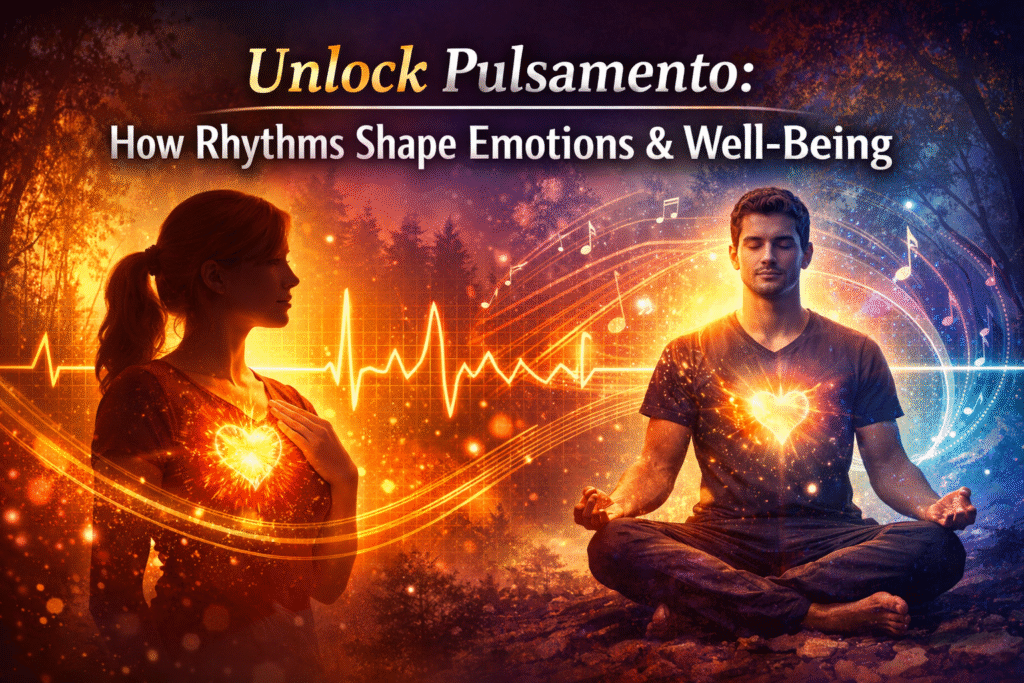
In recent years, the concept of pulsamento has found its way into various contemporary art forms, transcending traditional boundaries and evolving into a vital element of modern expression. The rhythmic heartbeat of pulsamento is not merely a nostalgic reference to past artistic practices; instead, it serves as a catalyst for innovation across multiple disciplines, including music, visual arts, and performance art.
In music, pulsamento is often expressed through intricate rhythms and dynamic tempos that engage the audience on an emotional level. Contemporary composers and musicians have begun to explore the interplay between sound and silence, using pulsamento to create tension and movement in their works. For example, artists may integrate traditional motifs with modern instrumentation, emphasizing the cyclical nature of pulsamento to bridge generational gaps in musical appreciation.
Visual artists have also embraced pulsamento as a source of inspiration. Many contemporary painters and sculptors interpret pulsamento through repetitive patterns and rhythms in their work. This exploration reveals the inherent energy within the process of creating, as the physical act of layering or repeating elements mirrors the undulating essence of pulsamento. Artists like Olafur Eliasson employ light and spatial dynamics to engage viewers, encouraging them to experience an immersive encounter, akin to witnessing the pulsating heartbeat of a living organism.
Performance art provides another avenue through which pulsamento manifests. The rhythmic nature of movement, often choreographed to reinforce the underlying thematic elements, resonates deeply with audiences. In this context, performers harness the power of pulsamento to evoke emotion, create suspense, and foster connections among the viewers. By incorporating pulsamento into their performances, artists can effectively communicate the complexities of human experience in our ever-changing world.
Engaging with Pulsamento: Practical Exercises and Community Involvement
To immerse oneself in the essence of pulsamento, various practical exercises can effectively cultivate a deeper understanding and engagement with rhythm. One noteworthy approach is rhythmic writing, where individuals are encouraged to express their thoughts or feelings in a way that mirrors the cadences found in nature and music. By paying attention to the rhythm of words, writers can connect more profoundly to the pulsating energy of their creative process. This exercise not only serves as a tool for self-expression but also acts as a bridge to understanding the underlying rhythms that govern our lives.
Movement practices present another avenue for experiencing pulsamento. Activities such as dance, yoga, or even simple walks in nature can help individuals become more aware of their body’s natural rhythms. Engaging in these practices with mindful attention to movement allows participants to connect with their inner rhythm and the external rhythms present in their surroundings, fostering a sense of harmony. In this regard, it is beneficial to explore different styles of dance that emphasize rhythm, such as African drumming, salsa, or even contemporary dance, which encapsulate the essence of pulsamento.
Furthermore, listening to music genres that resonate with pulsamento can enhance one’s experience of rhythm. Genres such as jazz, bossa nova, or traditional folk music often embody strong rhythmic elements, inviting listeners to engage not just passively but actively through movement or clapping. Seeking out workshops, classes, or community gatherings that celebrate rhythm through drumming circles or dance lessons can also facilitate an immersive experience. These communal activities not only enhance individual engagement with pulsamento but also foster connections with others, creating a shared rhythmic experience that enriches one’s personal journey.

