What is Ozdikenosis?
Ozdikenosis is a rare but serious medical condition characterized by the deterioration of specific bodily functions. The term itself is derived from medical nomenclature, reflecting both its unique presentation and underlying biological mechanisms. Ozdikenosis is primarily associated with the malfunctioning of vital systems within the body, leading to a cascade of adverse health effects. While comprehensive research on this condition remains sparse, various studies indicate its origin may stem from a combination of genetic predisposition and environmental factors.
At the biological level, ozdikenosis disrupts normal cellular functions. This disruption can manifest in various ways, including the impairment of organ systems, abnormalities in metabolic processes, and the dysfunctional coordination between different biological pathways. The symptoms of ozdikenosis are diverse, ranging from chronic fatigue and muscle weakness to potential organ failure. As the condition progresses, these symptoms can significantly impact a person’s quality of life, highlighting the severity of this medical issue.
Understanding ozdikenosis is crucial for recognizing its potential lethality. The condition not only compromises physical health but can also lead to emotional and psychological distress, complicating effective management strategies. By grasping the various dimensions of ozdikenosis and its pronounced effects on bodily functions, it becomes evident why this condition can ultimately lead to fatal outcomes. Medical practitioners emphasize the importance of early diagnosis in promoting better prognoses and preventing the drastic consequences associated with why does ozdikenosis kill you. Consequently, greater awareness and educational efforts are essential for both healthcare providers and the general public to address this medical concern effectively.
The Mechanism Behind Ozdikenosis Death
Ozdikenosis is a complex condition that significantly impacts the body’s biological and physiological systems, potentially leading to fatal outcomes. At its core, it disrupts metabolic processes and can induce severe complications that affect various organ systems. Understanding why ozdikenosis kills you necessitates a closer look at the mechanisms involved.
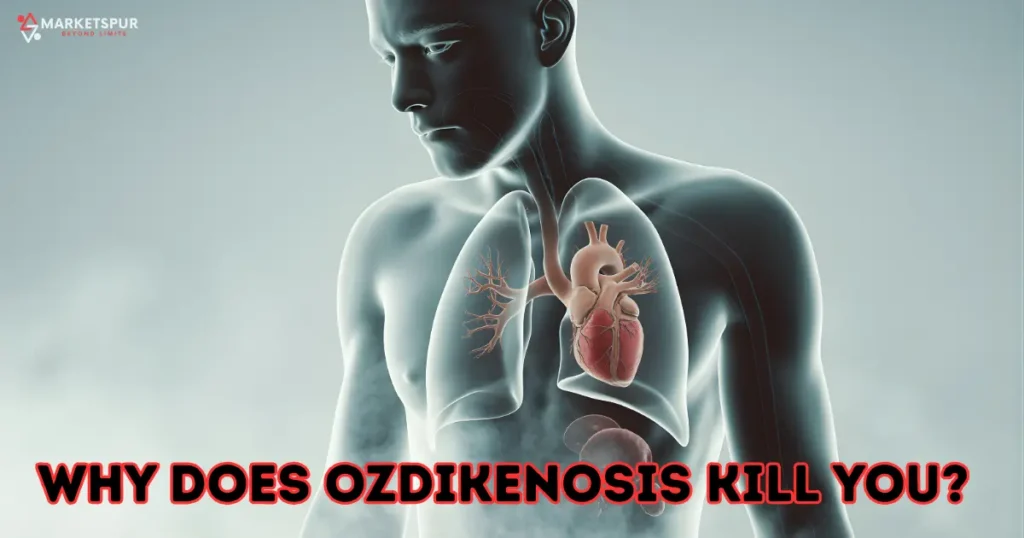
Initially, ozdikenosis impacts the respiratory system. The condition can cause chronic inflammation, which may lead to airway obstruction and impaired gas exchange. Reduced oxygen levels in the bloodstream can trigger a cascade of physiological changes, including hypoxia, which severely affects organ function. The heart, already burdened by increased workload due to compromised oxygen delivery, may develop arrhythmias or even heart failure as a direct result of this condition.
Furthermore, the gastrointestinal system is also vulnerable. Ozdikenosis can result in impaired absorption of vital nutrients, leading to malnutrition and further exacerbating health complications. The liver may struggle to detoxify harmful substances, a process essential for maintaining homeostasis. Accumulation of toxins can predispose individuals to hepatic failure, which can be life-threatening.
Turning to the neurological aspects, ozdikenosis can manifest in cognitive decline through chronic hypoxia and nutrient deficiencies. This cognitive impairment can lead to poor decision-making abilities, further endangering an individual’s health. Acute episodes of ozdikenosis may trigger sudden physiological responses, resulting in multi-organ failure if not treated timely. Risk factors such as pre-existing health conditions, genetic predisposition, and environmental triggers can elevate the potential for such outcomes.
In summary, the lethality of ozdikenosis stems from its multifaceted impact on critical organ systems, leading to a vicious cycle of decline that can culminate in death. Awareness of these mechanisms is crucial for effective prevention and management strategies.
Case Studies: Real-Life Consequences of Ozdikenosis
Ozdikenosis, a condition marked by its severe impact on the body’s functioning, has resulted in various tragic case studies that illuminate its lethal nature. One particular case involved a middle-aged male patient who initially presented mild symptoms but rapidly deteriorated after a misdiagnosis. He was vibrant and healthy prior to his diagnosis, but within months of developing ozdikenosis, he experienced multi-organ failure. Medical professionals later noted that his prognosis could have been improved with earlier intervention, emphasizing why ozdikenosis is often fatal when not treated promptly.
Another chilling account includes an elderly woman who had underlying health complications, including hypertension and diabetes. When ozdikenosis was identified, her medical team acted swiftly, initiating treatment protocols. Unfortunately, despite their efforts, her fragile health status coupled with the advancing ozdikenosis resulted in complications that led to her untimely death. This case highlights the critical role of individual health factors in determining outcomes in patients suffering from ozdikenosis.
Moreover, a recent study documented the experience of a group of patients undergoing treatment for ozdikenosis. Findings revealed that those with a history of autoimmune diseases exhibited a higher mortality rate compared to otherwise healthy individuals. The combination of ozdikenosis with pre-existing conditions significantly impacted their ability to recover, once again underscoring why ozdikenosis kills you in vulnerable populations.
These real-life scenarios reflect the essential need for heightened awareness regarding ozdikenosis. They demonstrate that timely diagnosis and personalized treatment plans are vital to improve survival rates. Given the varied outcomes influenced by individual health factors and treatment responses, knowledge and intervention play a crucial role in combating this potentially fatal condition.
Prevention and Treatment Strategies for Ozdikenosis
Ozdikenosis, a condition that poses significant health risks, necessitates effective prevention and treatment strategies to mitigate its lethal consequences. Understanding why ozdikenosis kills you can guide individuals towards proactive measures in their health management. Prevention begins with lifestyle modifications that can reduce the risk factors associated with this condition. Key strategies include adopting a balanced diet rich in antioxidants, engaging in regular physical activity, and managing stress effectively. These lifestyle changes not only bolster overall health but may also specifically lower the risk of developing ozdikenosis.
Medical professionals are increasingly focusing on the importance of early detection and regular monitoring of at-risk individuals. Routine screenings can be instrumental in identifying the onset of ozdikenosis before it advances to a life-threatening stage. Therefore, collaborating with healthcare providers to create individualized surveillance plans can be a vital component in preventing severe outcomes.
Treatment options for ozdikenosis generally encompass a combination of pharmacological interventions and supportive therapies. Medications may be prescribed to manage symptoms or slow disease progression. In some cases, advanced treatments such as immunotherapy or gene therapy are being explored through ongoing clinical trials. These emerging therapies hold promise for providing new avenues of treatment and potentially improving survival rates.
Moreover, patient education plays a crucial role in the management of ozdikenosis. Being informed about the condition, its risk factors, and available treatments can empower individuals to take charge of their health. The integration of mental health support in treatment regimens has also been identified as essential in managing the psychological impact associated with serious illnesses.
In conclusion, while the question of why ozdikenosis kills you remains a critical concern, greater awareness and proactive approaches can substantially improve outcomes. The combination of lifestyle changes, early detection, medical advancements, and education represents the cornerstone of effective prevention and treatment strategies for ozdikenosis.

